inception-app-prod/MWJmYjVjMmQtYjc2Mi00ZjBkLTg1ODktN2E3NWJlZmQwODMx/content/2026/08/f67f7fc30880e2fbed2ed648fdd1805f5066edff.jpg

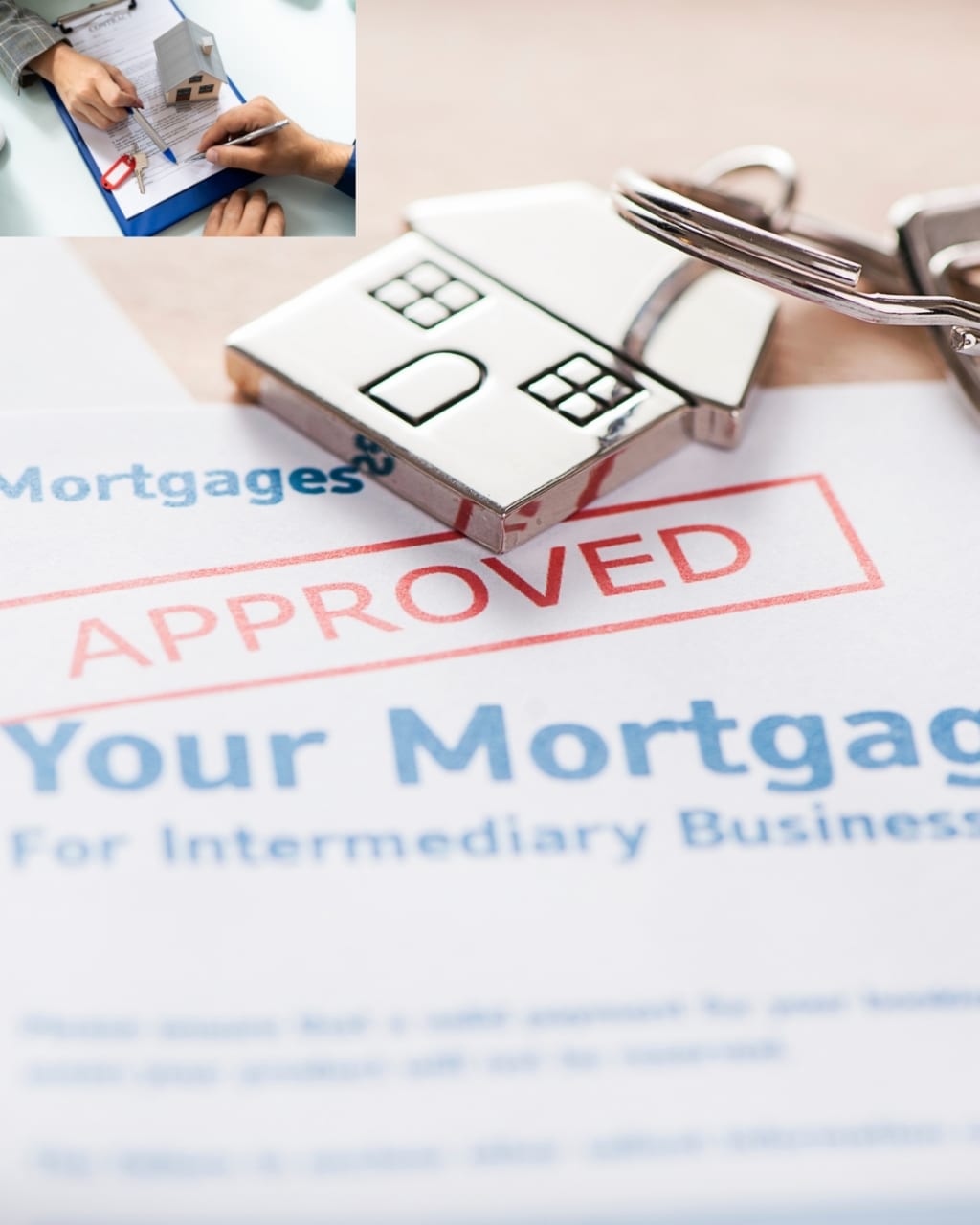
Understand Your Mortgage Options

Choosing a home loan can feel complicated at first, especially if you are comparing down payment requirements, credit expectations, and monthly payment tradeoffs all at once. Your financing can influence everything from your home search and offer strategy to closing costs and the types of properties you consider. As an Atlanta REALTORĀ® and Associate Broker, Kristal Elam helps buyers navigate the real estate side of the process while working alongside their chosen mortgage professional.

Common Mortgage Options at a Glance

Conventional Loans

Often a strong fit for buyers with solid credit usually 620+ and stable income. Down payments vary, and private mortgage insurance may apply below 20 percent. Can be used to purchase majority of home types.

FHA Loans

Stands for "Federal Housing Administration." The FHA is a U.S. government agency that insures mortgage loans made by approved lenders. It doesn't lend money directly—instead, it provides insurance to lenders, making them more willing to lend to borrowers who may have lower credit scores or smaller down payments. Designed to help buyers who need a lower down payment or more flexible credit standards. Mortgage insurance is typically required.

VA Loans

Available to eligible veterans, active-duty service members, and some surviving spouses. These loans can offer competitive terms and low upfront cash needs.

NACA Loans

A NACA (Neighborhood Assistance Corporation of America) loan is a nonprofit home financing program designed to make homeownership more affordable. Qualified buyers can purchase a home with no down payment, no closing costs, no private mortgage insurance (PMI), and below-market interest rates, making it an excellent option for eligible first-time and moderate-income homebuyers who plan to stay in the home at least 5 years. You must complete a home buyer workshop.

Jumbo Loans

Used when a home price exceeds standard conforming loan limits. Buyers usually need stronger credit, larger reserves, and more documentation.

Fixed vs. Adjustable

Fixed-rate loans keep the same interest rate over time, while adjustable-rate loans can change after an initial period. The right choice depends on your timeline and budget comfort.

Common Mortgage Questions, Explained Simply

Use these quick answers to compare common loan options, understand qualification basics, and feel more prepared as you plan a home purchase in the Atlanta area.

What is a conventional loan?

Conventional loans are not backed by a government program. They are a common choice for buyers with solid credit, stable income, and some money saved for a down payment. Many buyers like them because they offer flexible property options and can be especially competitive when your financial profile is strong.

How do FHA loans help buyers?

FHA loans are designed to make homeownership more accessible, especially for first-time buyers. They often allow lower down payments and more flexible credit standards than conventional financing. That can make FHA a practical option for Atlanta-area buyers who are still building savings or improving credit.

Who can use a VA loan?

VA loans are available to eligible veterans, active-duty service members, and some qualifying military spouses. These loans can offer major advantages, including low or no down payment requirements in many cases and competitive terms. If you qualify, a VA loan may be one of the most affordable paths to buying a home.

What is a USDA loan?

USDA loans are intended for eligible buyers purchasing in qualifying rural and some suburban areas. Depending on the location and your household income, this program may allow low down payment financing. For buyers looking outside the urban core of Atlanta, USDA financing may be worth exploring with a lender.

When does a jumbo loan apply?

A jumbo loan is used when the loan amount is higher than standard conforming loan limits. Buyers often consider jumbo financing for higher-priced homes or when they want to borrow above conventional thresholds. These loans usually require stronger credit, more documentation, and larger cash reserves.

Fixed-rate or adjustable-rate loan?

A fixed-rate mortgage keeps the same interest rate for the life of the loan, which makes monthly principal and interest payments more predictable. An adjustable-rate mortgage starts with a fixed period, then the rate can change over time. Fixed rates often appeal to buyers who want stability, while adjustable rates may fit buyers with shorter ownership plans.

How much down payment is needed?

Down payment expectations vary by loan type, lender, and buyer profile. Some programs allow lower down payments, while others may require more upfront cash. Keep in mind that your down payment affects your loan amount, monthly payment, and sometimes mortgage insurance, so it is important to review the full picture rather than focusing on one number alone.

Do credit scores really matter?

Yes. Your credit score can affect which loan programs are available to you, the interest rate you may receive, and how much flexibility a lender can offer. Higher scores often open more options, but buyers with moderate credit may still have workable paths through programs like FHA or other lender-specific solutions.

Which loan may fit you best?

There is no one-size-fits-all answer. Conventional financing may suit buyers with stronger credit and savings. FHA can help buyers who want more flexibility. VA may be the best fit for eligible military buyers, while USDA can be useful in qualifying outlying areas. The right choice depends on your budget, timeline, credit profile, and the type of home you want to buy.

Questions About Loan Options?

Reach out for clear, beginner-friendly guidance on mortgage options, down payments, and next steps for buying in the Atlanta area.
Send
Submitting
Message Sent
Thank you for reaching out! We'll be in touch shortly.
Oops! Error occurred.